

Journal
Craft, materials and the people who make HolyVerre.
Journal · 11/11/2026
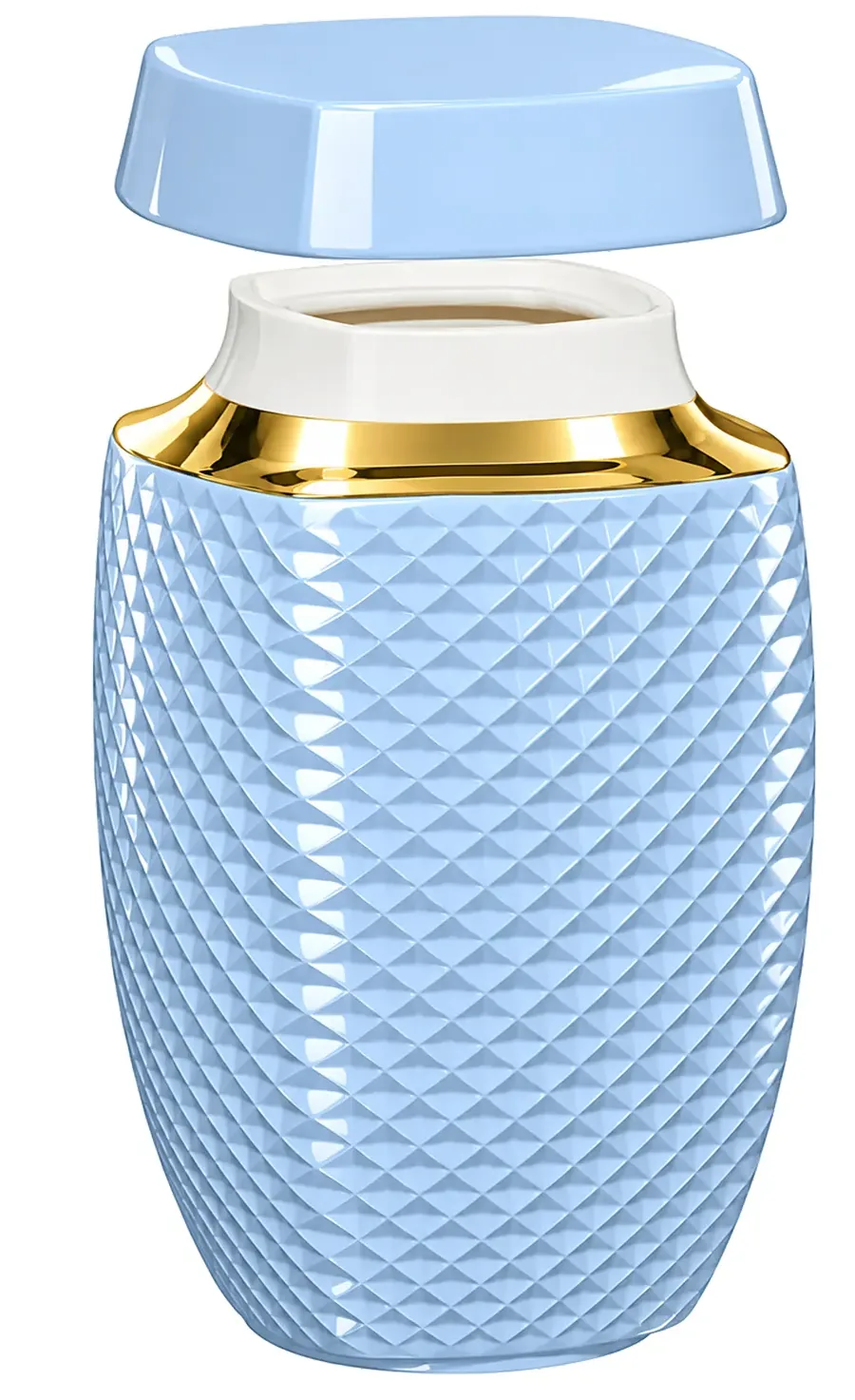
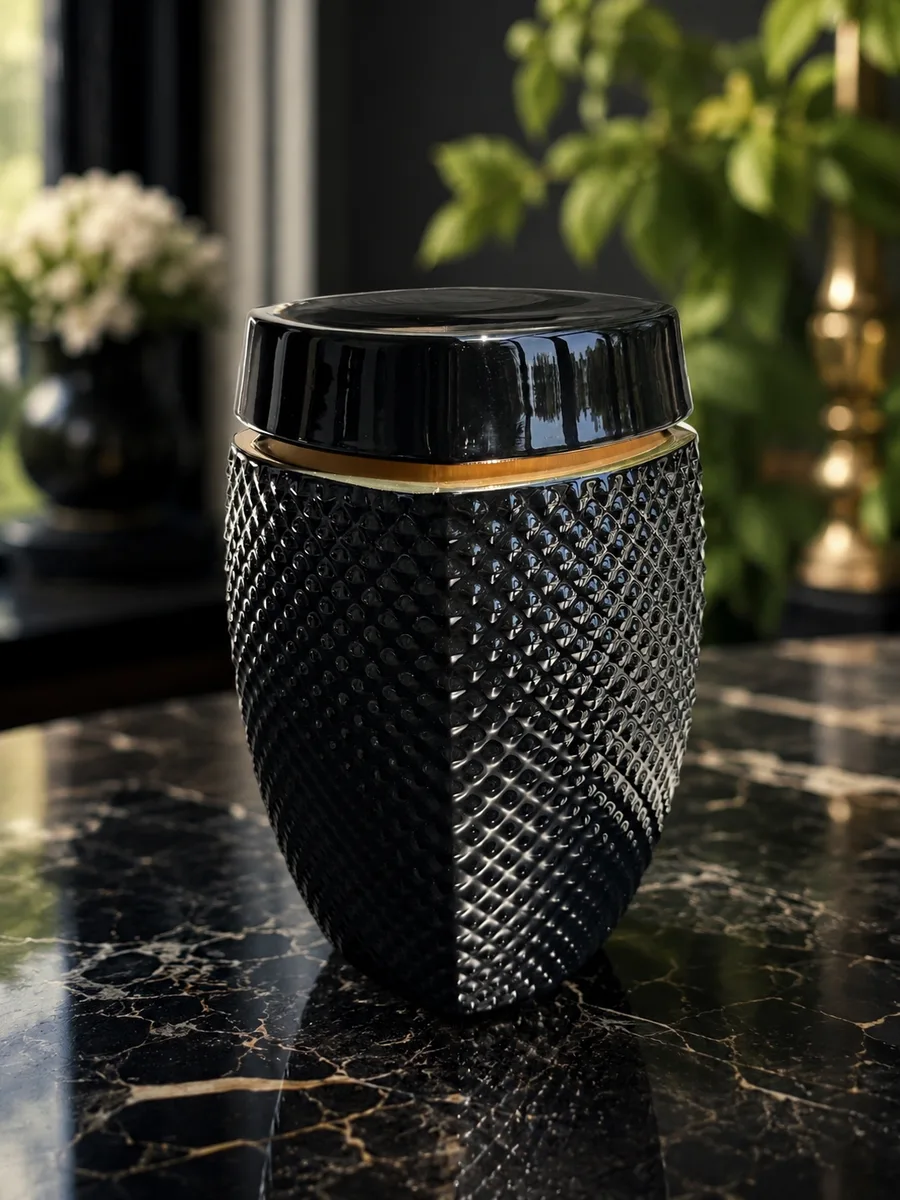
Matte and gloss urns - two surfaces of one color
The same porcelain color looks different in matte and in gloss. Matte absorbs light and brings calm, gloss reflects it and brings brilliance. Choosing a surface means choosing how the piece will speak in the place where it stands.
4 min readJournal · 11/11/2026
An urn with a gold or platinum band
Every HolyVerre porcelain urn is finished with a band of gold or platinum. Both metals are noble and lasting, yet each speaks differently - gold with warmth and light, platinum with calm and restraint.
4 min readJournal · 11/11/2026
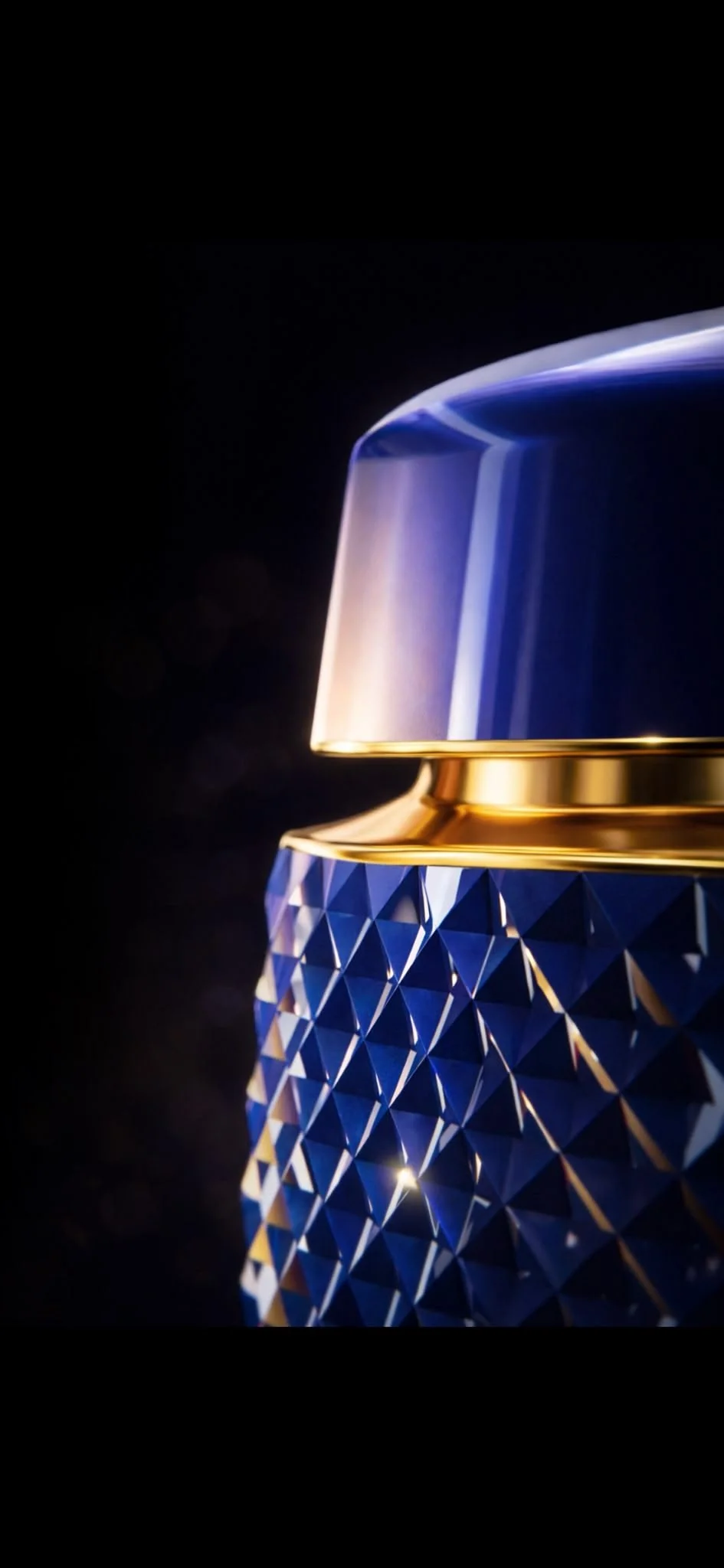
24-karat gold on porcelain, fixed by fire
A band of 24-karat gold is laid on by hand, with a single stroke of the brush, and becomes permanent only in fire. Gold does not tarnish or lose its brilliance, which is why for centuries it has accompanied objects meant to last for generations.
4 min readJournal · 10/18/2026
Hand-Formed Porcelain Urn
Porcelain begins as white clay and water and ends in the heat of the kiln. Here is how a porcelain urn is made, and why the craftsman's hand is present at every stage.
10 min readJournal · 10/08/2026
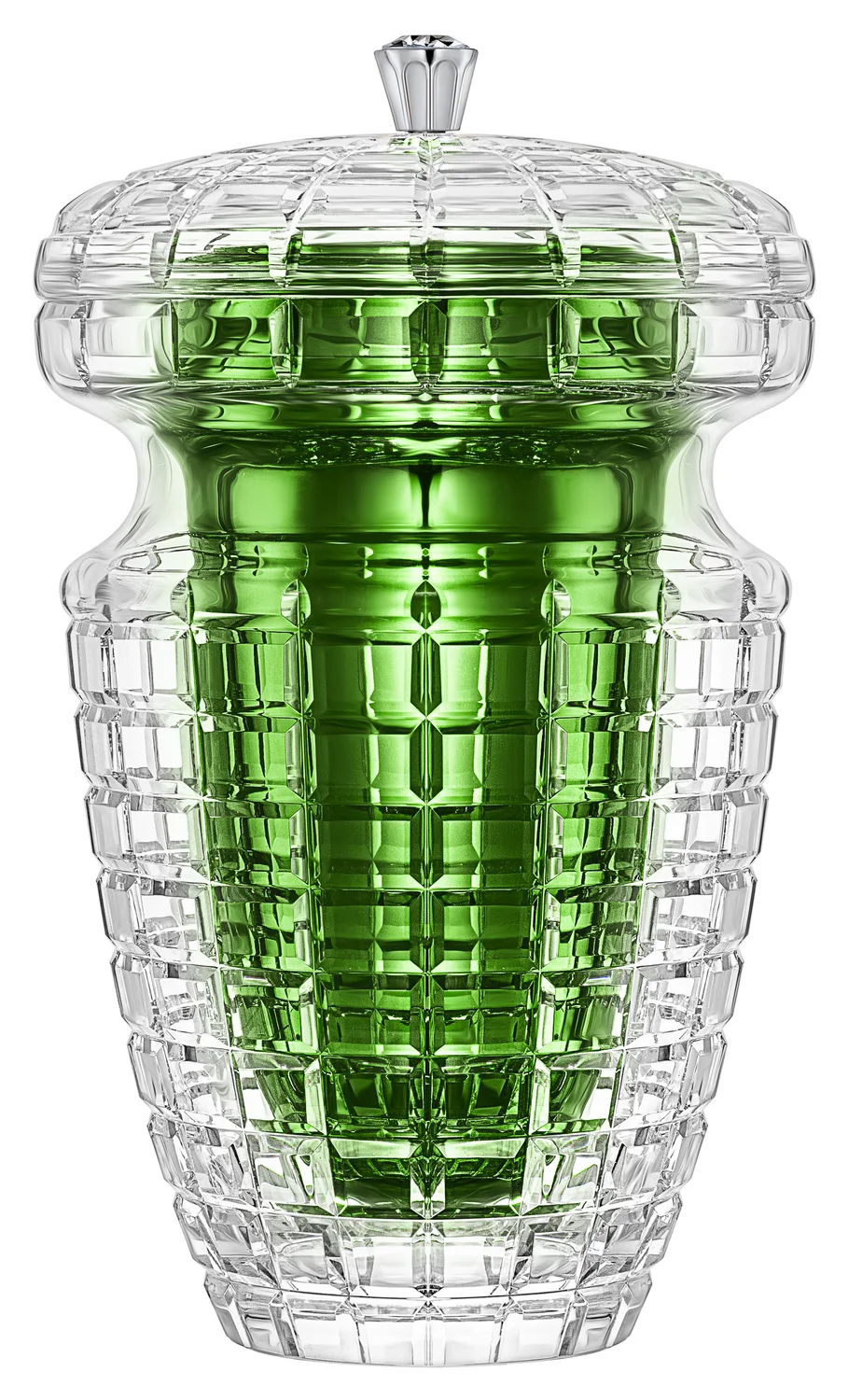
A hand-cut urn, facet by facet
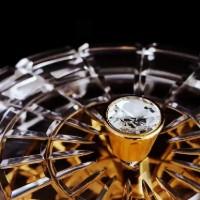
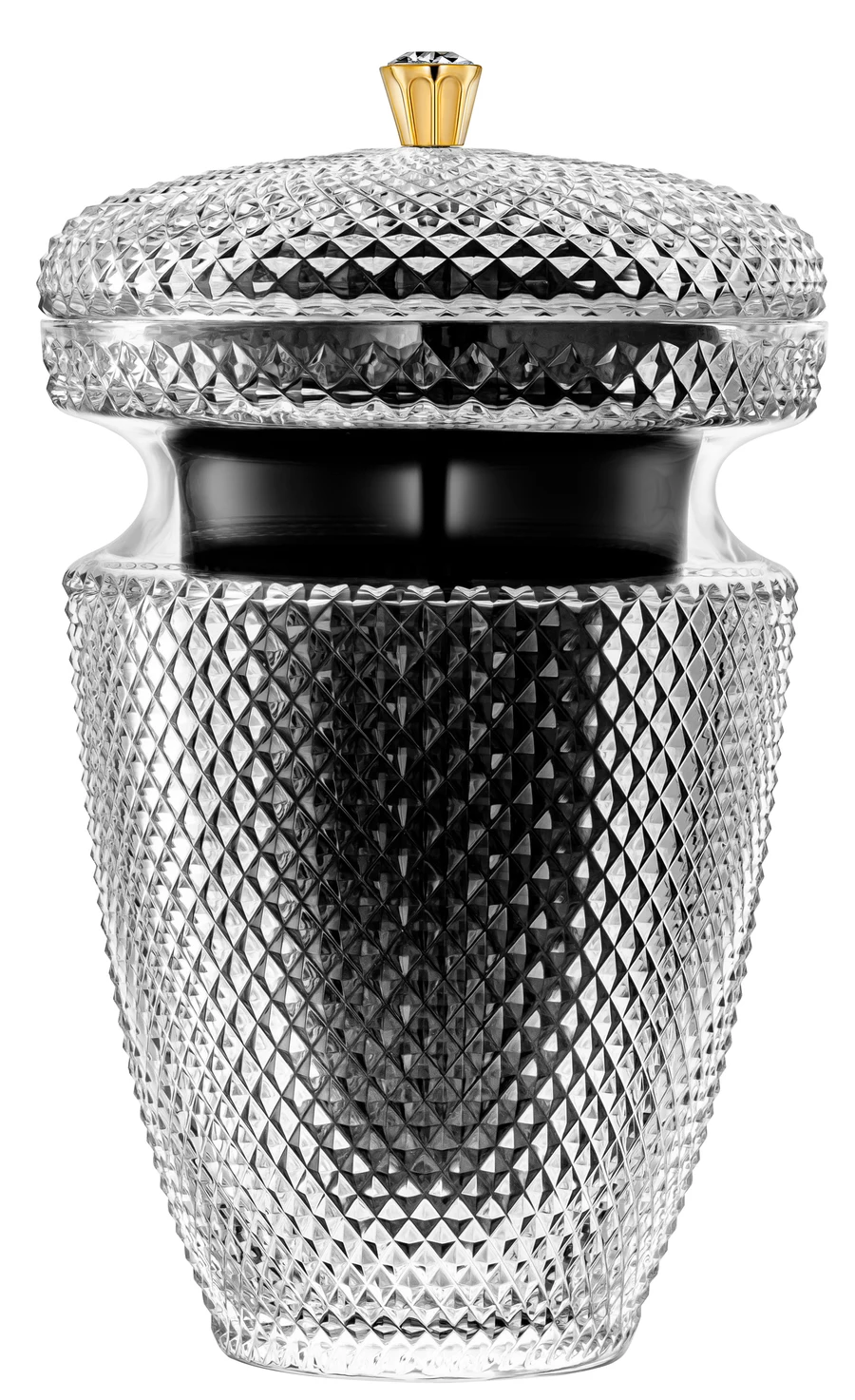
The cut decides how crystal answers to light. In a hand-cut urn every facet is made separately, under the eye and hand of the cutter, which is why no two pieces are ever identical.
6 min readJournal · 10/07/2026
Crystal and glass - what 24% lead oxide changes
Crystal is glass, yet not every glass may carry that name. The difference lies in lead oxide, which changes the weight, the brilliance and the way the material takes a cut. This is the material a HolyVerre crystal urn is made of.
4 min readJournal · 10/06/2026
How a crystal urn is made - five stages of work
A crystal urn is made in five stages, and each of them is carried out by hand. Cutting, porcelain forming, gilding, polishing and inspection come together in a piece that has no copy
3 min read